Comment on Your Parent Guide to Low Mood and Depression in Children by Parenting Teens Blog: My Top 28 Articles 2021 – They are the Future

In the tapestry of parenting, mental health concerns can cast a shadow. Guiding children through the complexities of low mood and depression requires empathy, understanding, and proactive support. Parenting Teens Blog offers a beacon of guidance with their “Comment on Your Parent Guide to Low Mood and Depression in Children.” This insightful compilation of articles delves into the subject, providing parents with a wealth of knowledge and actionable strategies to navigate these challenges effectively.


Teens & Cars: What parents need to know

In a realm where unbridled freedom meets towering responsibility, the intersection of teens and cars emerges. For parents, this juncture presents a tapestry of complex emotions – heart-swelling pride interwoven with trepidation as their precious offspring embark on the exhilarating and potentially perilous journey behind the wheel. Join us as we delve into the intricate dynamics of teen driving, navigating the uncharted waters of insurance, safety protocols, and the delicate dance of fostering independence while ensuring their well-being. From the first exhilarating spins of the ignition to the invaluable wisdom passed down from seasoned drivers, “Teens & Cars” unravels a comprehensive guide for parents seeking to empower their young drivers with confidence, responsibility, and the unwavering safety net of parental love.

Autism Courses for Parents in the UK

Unveiling a beacon of support for parents navigating the complex landscape of autism: specialised courses tailored exclusively for them in the United Kingdom. These courses illuminate the path to understanding your child’s unique world, empowering you with the knowledge and skills to nurture their growth and well-being. Each session is a tapestry of expert insights, practical guidance, and shared experiences, woven together to create a supportive network that empowers parents as they embrace the challenges and celebrate the triumphs of their exceptional children.

3 leadership lessons that parents can use at home

Being a parent is one of the most challenging yet fulfilling jobs in the world. It can also be a great opportunity to practice some of the leadership skills that we use in our professional lives. Here are three leadership lessons that parents can use at home:

  1. Set clear expectations. Children need to know what is expected of them in order to be successful. Parents should set clear and concise rules and expectations, and they should be consistent in enforcing them.
  1. Be a role model. Children learn by watching the adults in their lives, so it is important for parents to be good role models. Parents should demonstrate the behaviors that they want their children to learn, such as respect, responsibility, and kindness.
  1. Provide feedback. Children need feedback in order to learn and grow. Parents should provide their children with positive feedback when they do something well, and they should also provide constructive criticism when they make mistakes. Feedback should be specific and actionable, and it should be delivered in a respectful and supportive manner.

Comment on 5 Must-Know Strategies for Managing Your Teen’s Anger by How to Prevent Meltdowns in Children of All Ages – They are the Future

In a comprehensive article addressing the complexities of teenage anger management, “5 Must-Know Strategies for Managing Your Teen’s Anger” offers valuable insights. The article delves into the emotional labyrinth of adolescents, providing parents with practical strategies to navigate the challenging terrain of anger and frustration. By understanding the underlying causes and implementing effective techniques, parents can create a safe and nurturing environment where teens can learn to regulate their emotions and build resilience.

Comment on Calming the Angry Ant (audio) by michelle2011

In “Comment on Calming the Angry Ant (audio)” by michelle2011, the author provides an audio meditation aimed at guiding listeners toward emotional harmony. The author invites participants to engage their senses, envisioning a calming scene and inviting positive energy into their minds. Through gentle whispers and soothing background music, this audio meditation encourages relaxation, inner peace, and a sense of rejuvenation. With its accessible and relatable approach, this audio can serve as a valuable resource for those seeking emotional self-care and mindfulness.

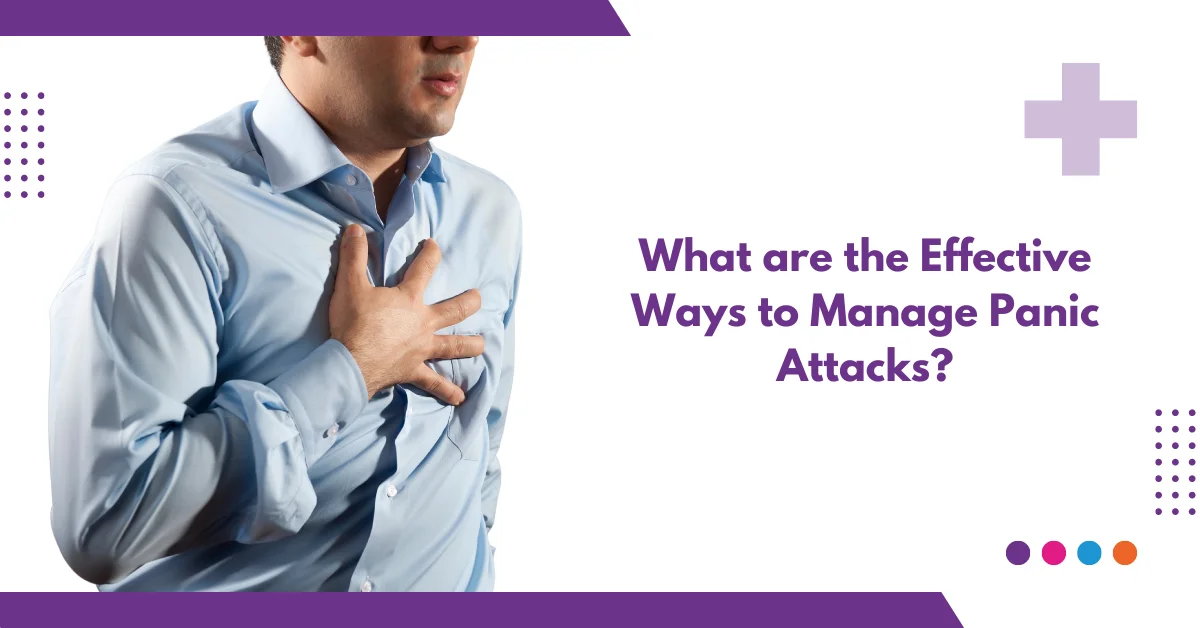
9 Tips for Managing Your Panic Symptoms

Panic symptoms can be debilitating, but there are effective ways to manage them. Here are 9 tips to help you cope:

  1. Recognize your triggers: Identify the situations or thoughts that trigger your panic attacks.
  2. Challenge negative thoughts: Replace anxious thoughts with more positive ones.
  3. Practice relaxation techniques: Use deep breathing exercises, meditation, or yoga to calm your mind and body.
  4. Exercise regularly: Physical activity releases endorphins that have mood-boosting effects.
  5. Get enough sleep: Lack of sleep can worsen panic symptoms.
  6. Avoid caffeine and alcohol: These substances can exacerbate anxiety.
  7. Seek professional help: A therapist can provide support and coping mechanisms.
  8. Join a support group: Connect with others who understand what you’re going through.
  9. Don’t give up: Managing panic symptoms takes time and effort, but it’s possible to overcome them with persistence and support.

Teen Self-Esteem Statistics

In the labyrinth of teenagehood, self-esteem stands as a flickering flame, casting shadows over the intricate paths they tread. Statistics paint a somber tapestry:

Nearly half of teens struggle with low self-esteem.
Girls grapple with body image distortions and self-criticism more frequently than boys.
Social media’s relentless gaze amplifies feelings of inadequacy.
Loneliness and social isolation exacerbate the issue.

Yet, hope flickers amidst the darkness. Interventions tailored to building resilience, fostering body positivity, and providing supportive environments can reignite the glowing embers of self-esteem in our youth.